In brief
- Singapore is the richest country in 2026 with GDP per capita (PPP) of about $173,708.
- Ireland ($159,129) and Luxembourg ($156,719) complete the top three.
- Guyana is a new entry at ninth, driven by offshore oil output since 2019.
- The United States ranks tenth at $94,430, the only large population country in the top 15.
- Figures are IMF projections for 2026 from the April 2026 World Economic Outlook.
As of October 2026, Singapore is the richest country in the world by GDP per capita at purchasing power parity, at about $173,708 per person. Ireland ($159,129) and Luxembourg ($156,719) follow, based on the IMF World Economic Outlook projections for 2026 published in April 2026.
GDP per capita at purchasing power parity (PPP) divides a country’s total output by its population and adjusts for local prices. It is the most common way to compare living standards between countries, though it does not show how evenly wealth is shared.
The list below covers sovereign countries only. Territories such as Macau and Hong Kong, which often appear in similar rankings, are left out. For a look at private fortunes rather than national ones, see our list of the richest families in the world.
 Also readWorld’s 10 Richest People in 2026
The 15 richest countries in 2026 at a glance
| Rank | Country | GDP per capita (PPP, 2026) | Source |
|---|---|---|---|
| 1 | Singapore | $173,708 | IMF WEO, April 2026 |
| 2 | Ireland | $159,129 | IMF WEO, April 2026 |
| 3 | Luxembourg | $156,719 | IMF WEO, April 2026 |
| 4 | Norway | $115,548 | IMF WEO, April 2026 |
| 5 | Qatar | $112,312 | IMF WEO, April 2026 |
| 6 | Switzerland | $105,680 | IMF WEO, April 2026 |
| 7 | Taiwan | $98,051 | IMF WEO, April 2026 |
| 8 | Brunei | $97,858 | IMF WEO, April 2026 |
| 9 | Guyana | $95,477 | IMF WEO, April 2026 |
| 10 | United States | $94,430 | IMF WEO, April 2026 |
| 11 | Denmark | $89,667 | IMF WEO, April 2026 |
| 12 | United Arab Emirates | $87,774 | IMF WEO, April 2026 |
| 13 | Netherlands | $87,773 | IMF WEO, April 2026 |
| 14 | Iceland | $82,730 | IMF WEO, April 2026 |
| 15 | Malta | $82,421 | IMF WEO, April 2026 |
1. Singapore: $173,708

Singapore is the richest country in the world on this measure in 2026. The city state has built its wealth on trade, shipping, finance and advanced manufacturing, helped by its position on one of the busiest sea routes in the world.
Low taxes, a stable government and strong rule of law have made it a regional base for global banks, wealth managers and technology companies. Its port is one of the largest container hubs anywhere.
2. Ireland: $159,129
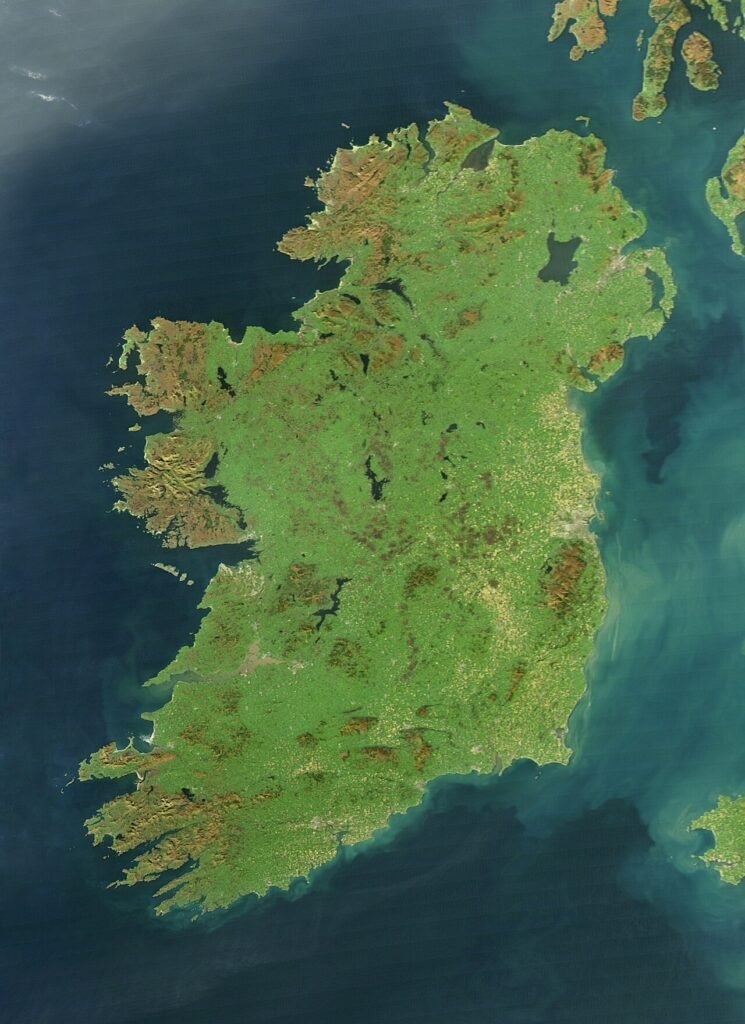
Ireland ranks second. Its figure is boosted by the large number of multinational technology and pharmaceutical companies that book profits there, which lifts GDP well above what ordinary households earn.
Irish statisticians publish a separate measure, called modified GNI, to strip out this effect. Even so, Ireland remains one of the wealthier economies in Europe.
3. Luxembourg: $156,719
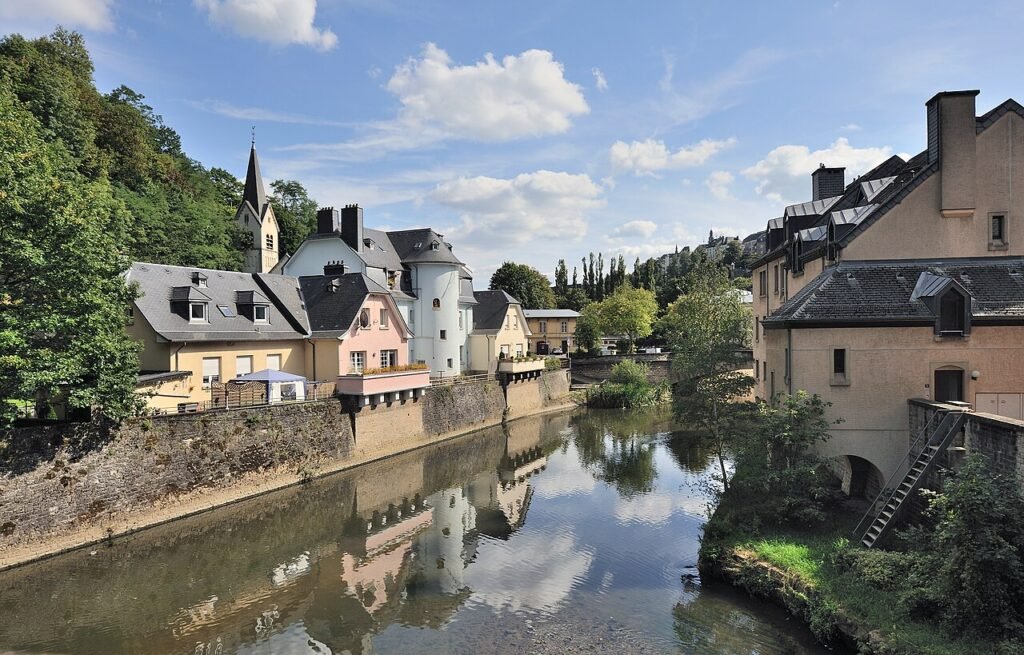
Luxembourg, which led this list in our earlier edition, is now third. The small country is a major centre for investment funds, private banking and EU institutions.
A large share of its workforce commutes daily from France, Belgium and Germany. These workers add to output but are not counted in the population, which raises the per person figure.
4. Norway: $115,548

Norway owes much of its wealth to oil and gas in the North Sea. Since the 1990s, the government has put petroleum revenue into its sovereign wealth fund, one of the largest in the world.
Norway is also a major gas supplier to Europe, a role that grew after Russian supplies fell from 2022.
5. Qatar: $112,312
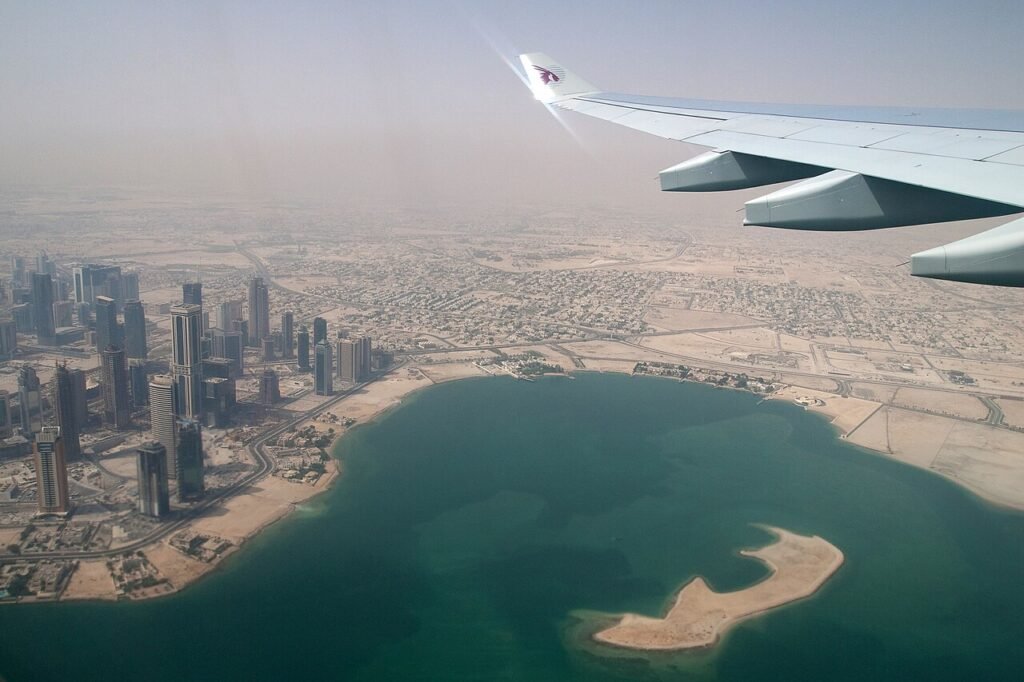
Qatar holds some of the largest natural gas reserves in the world and is one of the biggest exporters of liquefied natural gas. A small citizen population spreads that income across relatively few people.
The country is expanding its LNG capacity through its North Field projects, which should keep its income high in the years ahead.
6. Switzerland: $105,680

Switzerland combines banking, insurance, pharmaceuticals, precision engineering and luxury watchmaking. Companies such as Roche, Novartis and Nestlé are based there.
High wages, a strong currency and political stability keep it near the top of most wealth rankings.
7. Taiwan: $98,051

Taiwan is a world leader in semiconductors. TSMC, the largest contract chipmaker in the world, makes most of the advanced chips used in phones, computers and AI systems.
Strong demand for AI hardware has driven exports and growth, moving Taiwan up this list.
8. Brunei: $97,858

Brunei, on the island of Borneo in Southeast Asia, earns most of its income from oil and gas. Its population is under half a million.
Citizens pay no personal income tax and receive free healthcare and education, funded largely by energy exports.
9. Guyana: $95,477
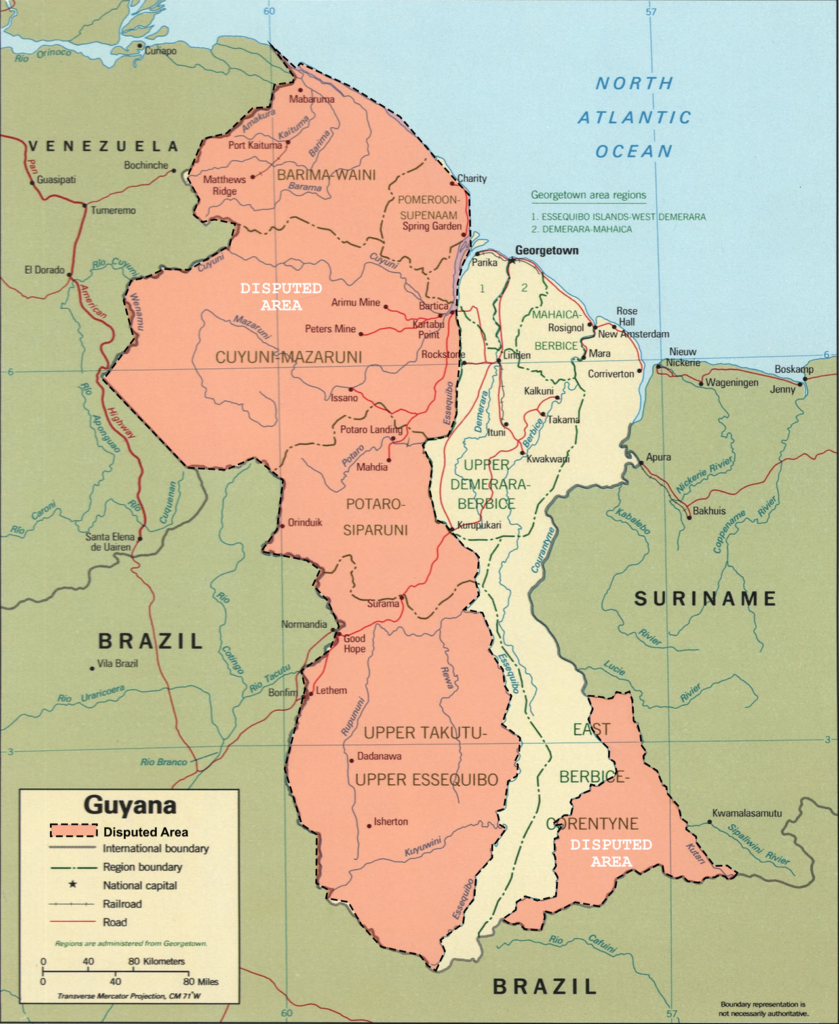
Guyana is the newest entry. Large offshore oil discoveries by an ExxonMobil led group began production in 2019, and output has grown quickly since.
With a population of under one million, oil revenue has lifted GDP per person faster than in almost any other country. How that wealth reaches ordinary households is still a subject of debate.
10. United States: $94,430

The United States has by far the largest economy among the countries on this list. Technology, finance, healthcare and consumer spending drive its output.
It is the only large population country in the top 15, which makes its high per person income notable.
11. Denmark: $89,667
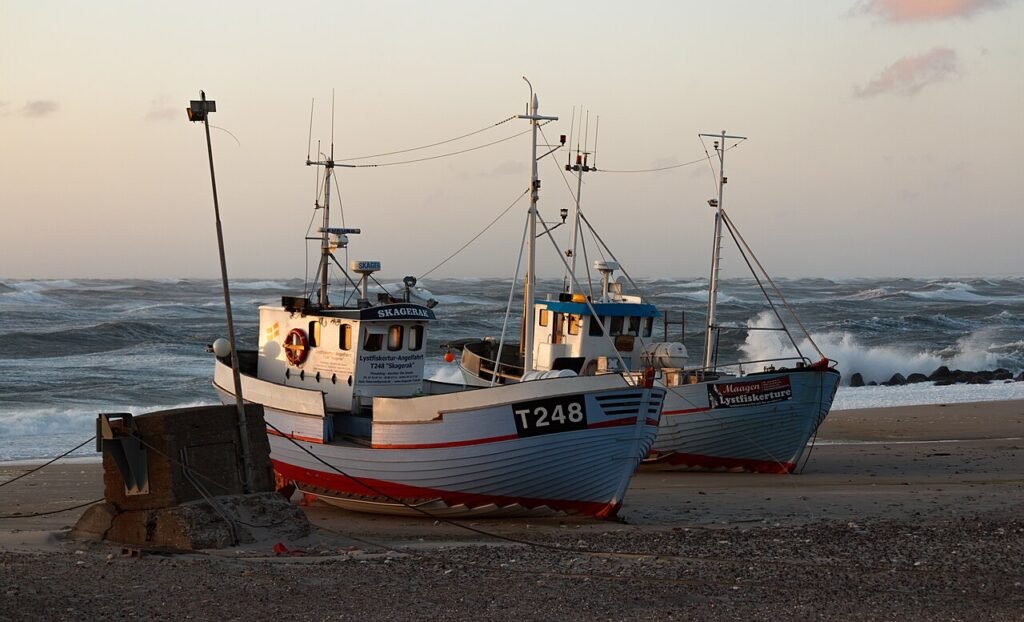
Denmark has a strong services sector, a large shipping industry and global companies in healthcare and renewable energy, including Novo Nordisk and Vestas.
The weight loss drug boom made Novo Nordisk one of the most valuable companies in Europe for a period, adding to Danish growth.
12. United Arab Emirates: $87,774
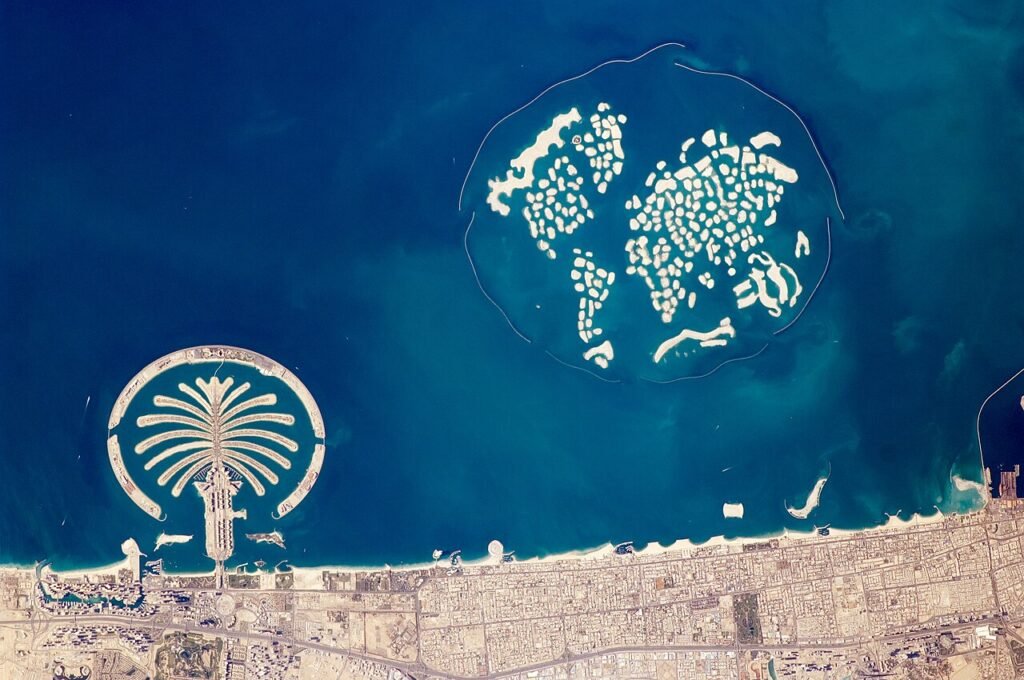
The UAE has moved beyond oil into trade, aviation, tourism, real estate and finance, with Dubai and Abu Dhabi as the main centres.
Abu Dhabi also controls large sovereign wealth funds that invest around the world.
13. Netherlands: $87,773
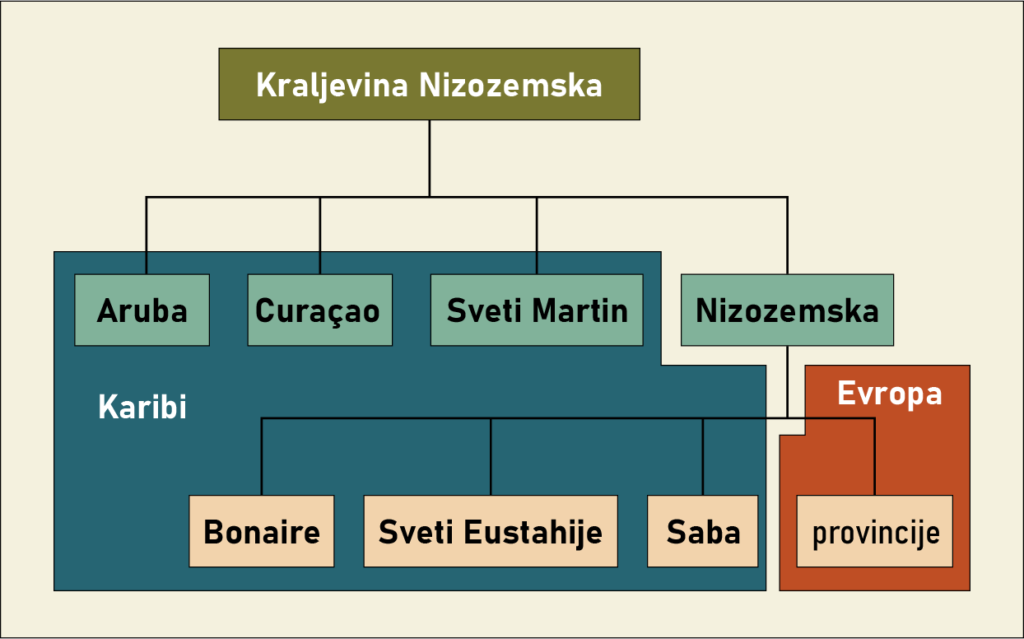
The Netherlands is a trading economy built around the Port of Rotterdam, the largest port in Europe. It is also home to ASML, which makes the machines used to produce advanced chips.
14. Iceland: $82,730
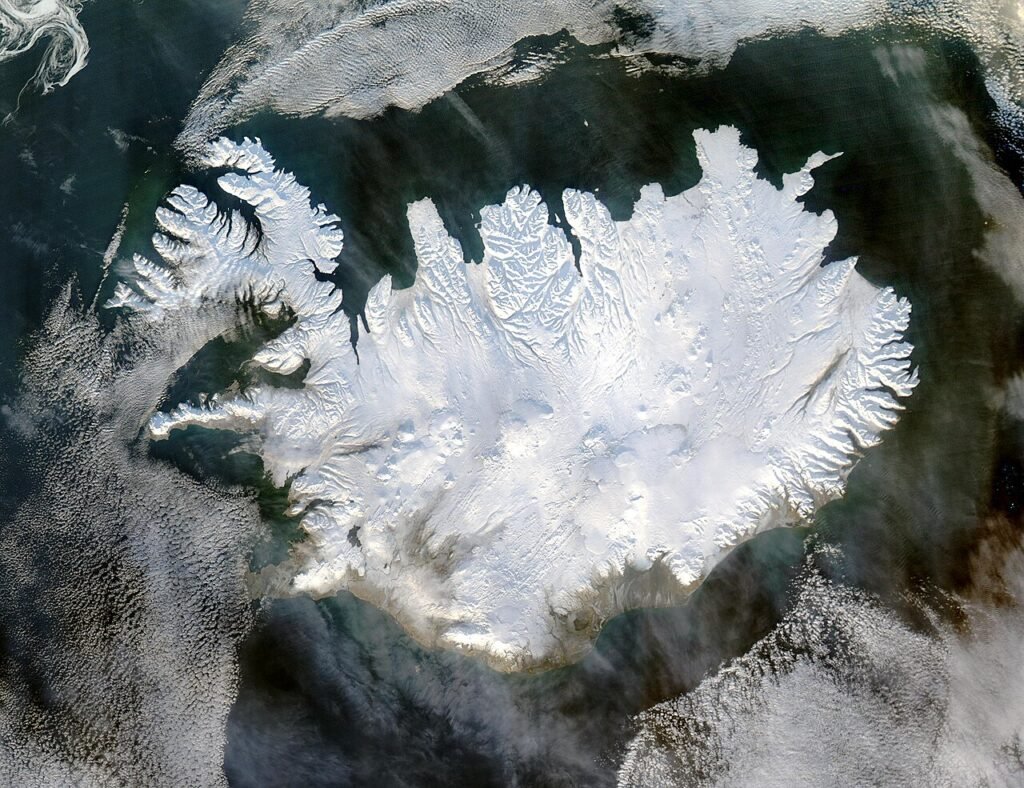
Iceland earns income from fishing, tourism and aluminium smelting, which uses its cheap geothermal and hydro power. Its population is under 400,000.
15. Malta: $82,421
Malta has grown quickly on the back of financial services, online gaming, tourism and shipping. It is one of the fastest growing economies in the EU.
How we ranked these
We used GDP per capita at purchasing power parity, in current international dollars, from the IMF World Economic Outlook database (April 2026 edition). The 2026 figures are IMF projections and will be revised in later editions.
Small countries with large financial sectors, commuting workforces or energy exports tend to rank high on this measure. Nominal GDP per capita, which uses market exchange rates, gives a slightly different order, with Luxembourg and Ireland usually ahead of Singapore.
Sources: IMF World Economic Outlook, Mappr, Richest Countries in the World in 2026, HelloSafe, GDP per capita by country (IMF data).
Frequently asked questions
Which is the richest country in the world in 2026?
Singapore is the richest country in the world in 2026 by GDP per capita at purchasing power parity, at about $173,708 per person according to IMF projections. Ireland and Luxembourg rank second and third, both above $155,000 per person.
Why is Ireland so high in the rankings?
Ireland’s GDP is lifted by multinational technology and pharmaceutical companies that book large profits there. This raises GDP per person well above typical household income. Ireland publishes a separate measure, modified GNI, to give a more accurate view of its domestic economy.
Where does India rank among the richest countries?
India is not in the top 15 by GDP per capita. It has one of the largest economies in the world by total GDP, but its large population means output per person is far lower than in the countries on this list.
What does GDP per capita PPP mean?
GDP per capita at purchasing power parity divides a country’s total economic output by its population and adjusts for differences in local prices. It allows a fairer comparison of living standards between countries, though it does not show how income is distributed.
Why is Guyana on the list of richest countries?
Guyana began producing oil from large offshore fields in 2019, and output has grown quickly since. With a population of under one million, the oil revenue has pushed its GDP per capita to about $95,477, ninth in the world in 2026.
See more Wealthy Garage stories on Google
Add us as a preferred source and our stories will show up more often in your Top Stories.
Add Wealthy Garage as a preferred source on Google