In brief
- The Apollo programme is the most expensive space mission, at $25.8 billion nominal or about $257 billion in 2020 dollars.
- The Space Shuttle programme cost an estimated $209 billion over 135 flights between 1981 and 2011.
- The International Space Station cost about $150 billion across all partners and will operate until 2030.
- NASA’s Artemis programme was projected to cost $93 billion through 2025; Artemis II flew around the Moon in April 2026.
As of October 2026, the most expensive space mission ever is the Apollo programme, which cost $25.8 billion between 1960 and 1973, or about $257 billion in 2020 dollars. The Space Shuttle programme ($209 billion) and the International Space Station (about $150 billion) follow. NASA’s Artemis programme, which flew astronauts around the Moon in April 2026, ranks fourth.
Space projects are hard to compare. Some figures cover only development, others include decades of operations, and older programmes are usually quoted in inflation adjusted dollars. The list below uses the most widely cited total for each mission and names the basis of each figure.
| Rank | Mission | Cost | Period and basis |
|---|---|---|---|
| 1 | Apollo program | $257 billion | 1960 to 1973, 2020 dollars |
| 2 | Space Shuttle program | $209 billion | 1972 to 2011, inflation adjusted |
| 3 | International Space Station | $150 billion | 1998 to present, all partners, estimate |
| 4 | Artemis program | $93 billion | NASA spending to FY2025, NASA OIG |
| 5 | Hubble Space Telescope | $16 billion | 1977 to 2021, NASA estimate |
| 6 | GPS | $12 billion | Original constellation, US Air Force |
| 7 | James Webb Space Telescope | $9.7 billion | 2003 to 2026, NASA share |
| 8 | Mir space station | $4.2 billion | 1986 to 2001, estimate |
| 9 | Cassini-Huygens | $3.26 billion | 1997 to 2017, all partners |
| 10 | Curiosity rover | $2.5 billion | Launched 2011, NASA |
1. Apollo program: $257 billion
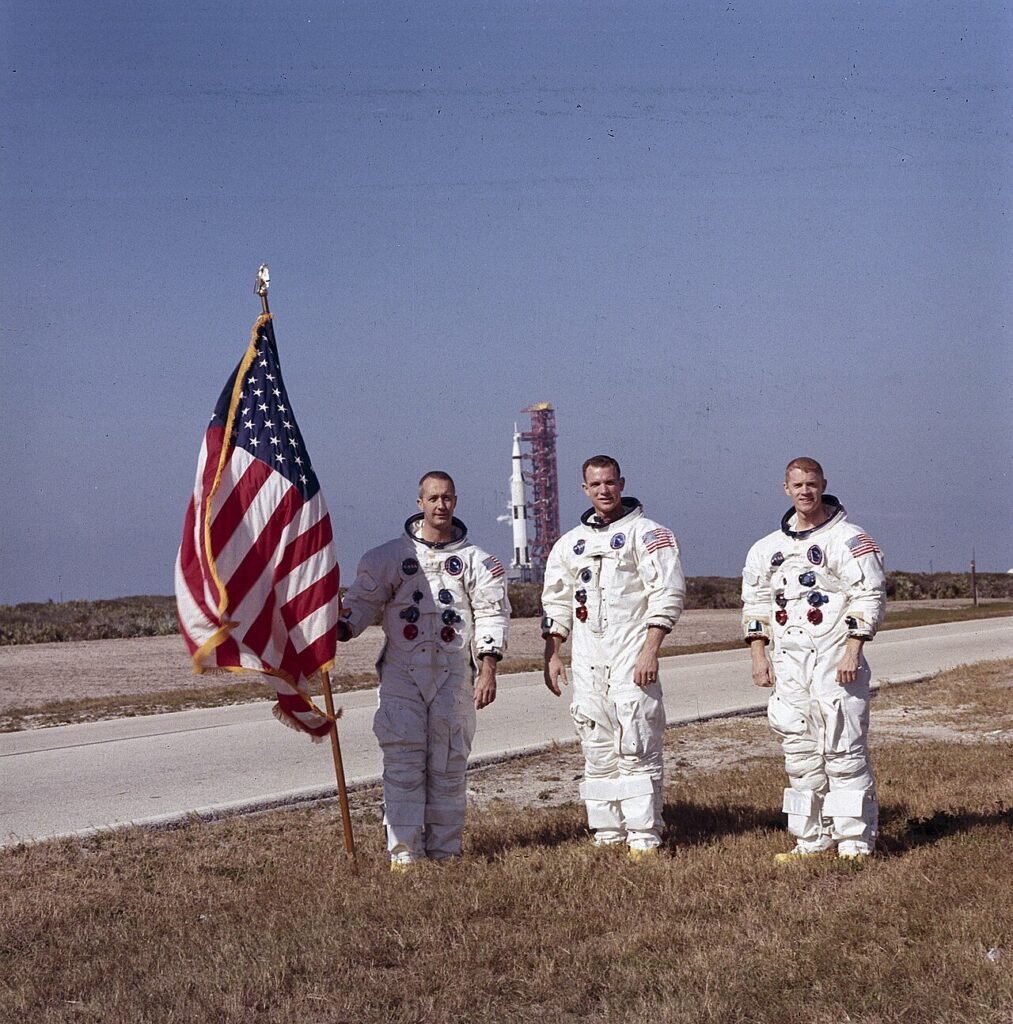
Apollo was the US effort to land people on the Moon and return them safely. The Planetary Society puts the nominal cost of Project Apollo at $25.8 billion, spent between 1960 and 1973. Adjusted for inflation, that is commonly cited as about $257 billion in 2020 dollars.
 Also readMost Expensive Chocolates in the World 2026: Top 9 Ranked
Apollo 11 landed Neil Armstrong and Buzz Aldrin on the Moon on 20 July 1969. Six missions landed in total, and 12 astronauts walked on the lunar surface. At its peak, Apollo took a large share of the entire federal budget, a level of funding no NASA programme has received since.
2. Space Shuttle program: $209 billion

The Space Shuttle was the world’s first reusable crewed spacecraft. It flew 135 missions between 1981 and 2011, launching satellites, servicing Hubble and carrying the main parts of the International Space Station into orbit.
Nominal spending came to about $113.7 billion through 2011. Inflation adjusted estimates, widely reported by NBC News and Space.com when the programme ended, put the total at $209 billion. That works out to roughly $1.5 billion per flight. Two orbiters, Challenger in 1986 and Columbia in 2003, were lost along with their crews.
3. International Space Station: $150 billion

The International Space Station is a joint project of the US, Russia, Europe, Japan and Canada. Assembly began in 1998, and people have lived on board without a break since November 2000. The total cost across all partners is usually estimated at about $150 billion, which is why it is often called the most expensive single object ever built.
NASA alone spends roughly $3 billion to $4 billion a year to run the station. The partners plan to keep it operating until 2030, after which a SpaceX built vehicle will push it out of orbit for a controlled re-entry over the Pacific Ocean.
4. Artemis program: $93 billion
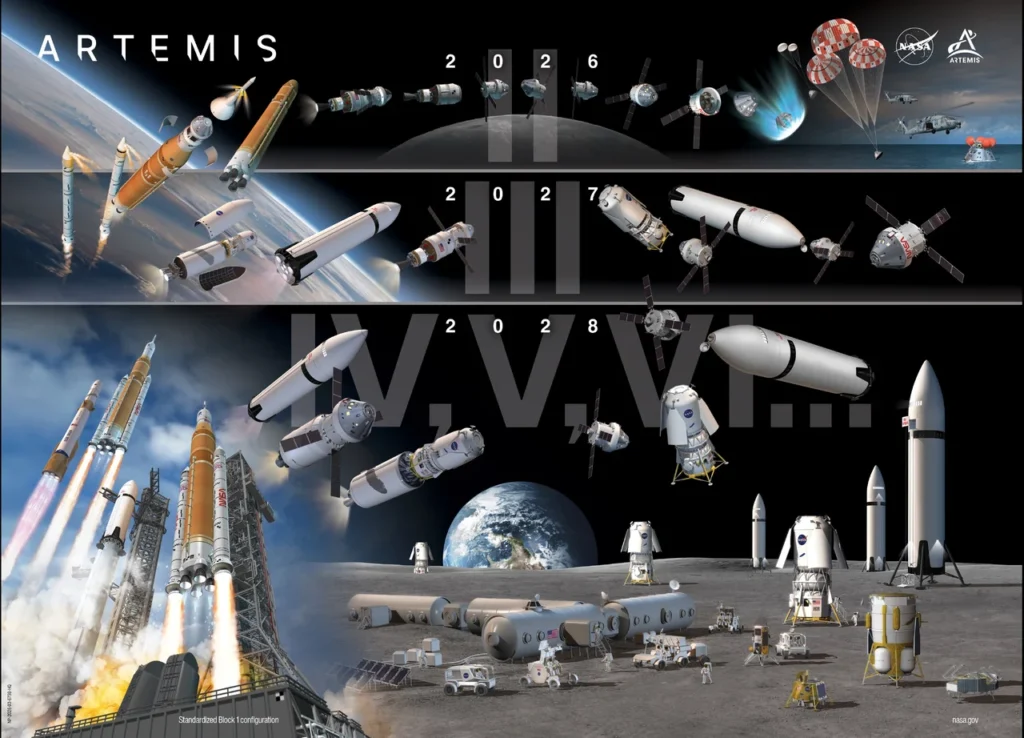
Artemis is NASA’s programme to return astronauts to the Moon. In a 2021 audit, the NASA Office of Inspector General projected that the agency would spend $93 billion on Artemis from 2012 to the end of fiscal year 2025. It also estimated that each of the first four SLS and Orion launches would cost about $4.1 billion.
Artemis II launched on 1 April 2026 from Kennedy Space Center with Reid Wiseman, Victor Glover, Christina Koch and Canada’s Jeremy Hansen. The crew flew around the Moon and splashed down off San Diego on 10 April 2026. NASA says they travelled 252,756 miles from Earth, farther than any humans before them.
5. Hubble Space Telescope: $16 billion

Hubble launched on the Space Shuttle Discovery in April 1990. A flaw in its main mirror blurred early images, and a 1993 Shuttle servicing mission fitted corrective optics. Four more servicing missions followed, the last in 2009.
NASA has put Hubble’s cost at about $16 billion in 2021 dollars, counting from the start of development in 1977. That figure does not include the Shuttle flights used to service it. Hubble is still working in 2026, more than 36 years after launch.
6. GPS: $12 billion
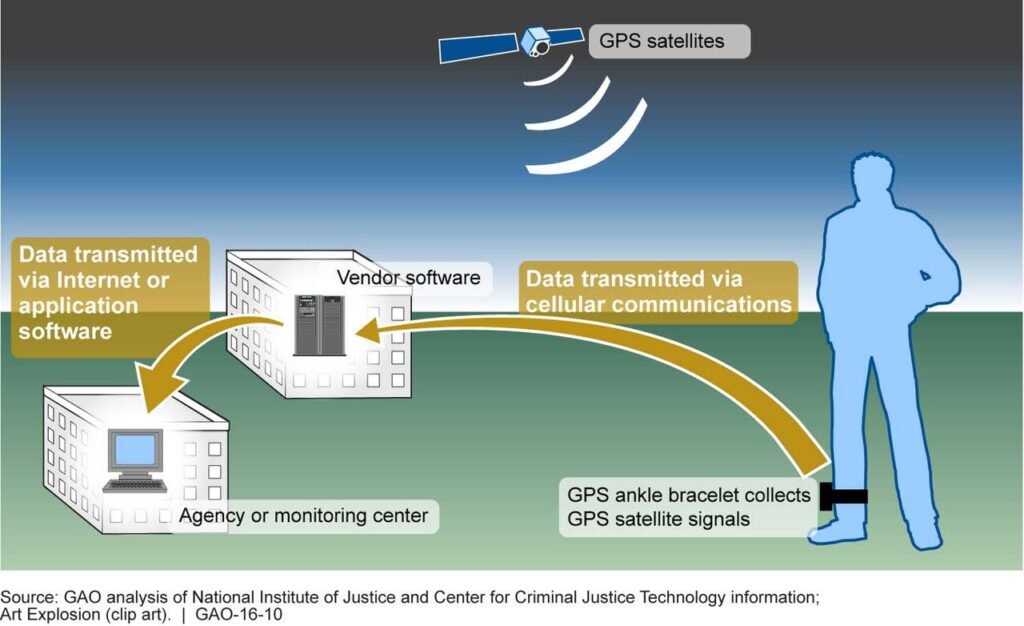
The Global Positioning System is run by the US Space Force, having been built by the US Air Force. The first satellite launched in 1978 and the full system was declared operational in 1995. The original development and constellation are commonly reported to have cost about $12 billion.
GPS is free to use worldwide and supports navigation, banking, farming and mobile networks. The system needs regular replacement satellites, and newer GPS III satellites have been launching since 2018.
7. James Webb Space Telescope: $9.7 billion

The James Webb Space Telescope launched on an Ariane 5 rocket on 25 December 2021, after years of delays from an original target of 2014. According to the Planetary Society, NASA’s lifetime cost is about $9.7 billion: $8.8 billion for development and $861 million for five years of operations.
Europe contributed the launch and two instruments, estimated at €700 million, and Canada added about CA$200 million in instruments. Webb studies the early universe in infrared light from a point 1.5 million kilometres from Earth.
8. Mir space station: $4.2 billion

Mir was a Soviet and later Russian space station. Its core module launched on 20 February 1986, and more modules were added over the next ten years. The total cost is commonly estimated at $4.2 billion.
Mir hosted crews from many countries, including NASA astronauts during the Shuttle-Mir programme of the 1990s. It was deorbited in March 2001 and broke up over the Pacific Ocean.
9. Cassini-Huygens: $3.26 billion

Cassini-Huygens was a joint mission of NASA, the European Space Agency and the Italian Space Agency to study Saturn. It launched on 15 October 1997 and reached Saturn in 2004. The total cost across the partners is reported at about $3.26 billion.
The Huygens probe landed on Saturn’s moon Titan in January 2005, the first landing in the outer solar system. Cassini orbited Saturn for 13 years and ended its mission by diving into the planet’s atmosphere in September 2017.
10. Curiosity rover: $2.5 billion
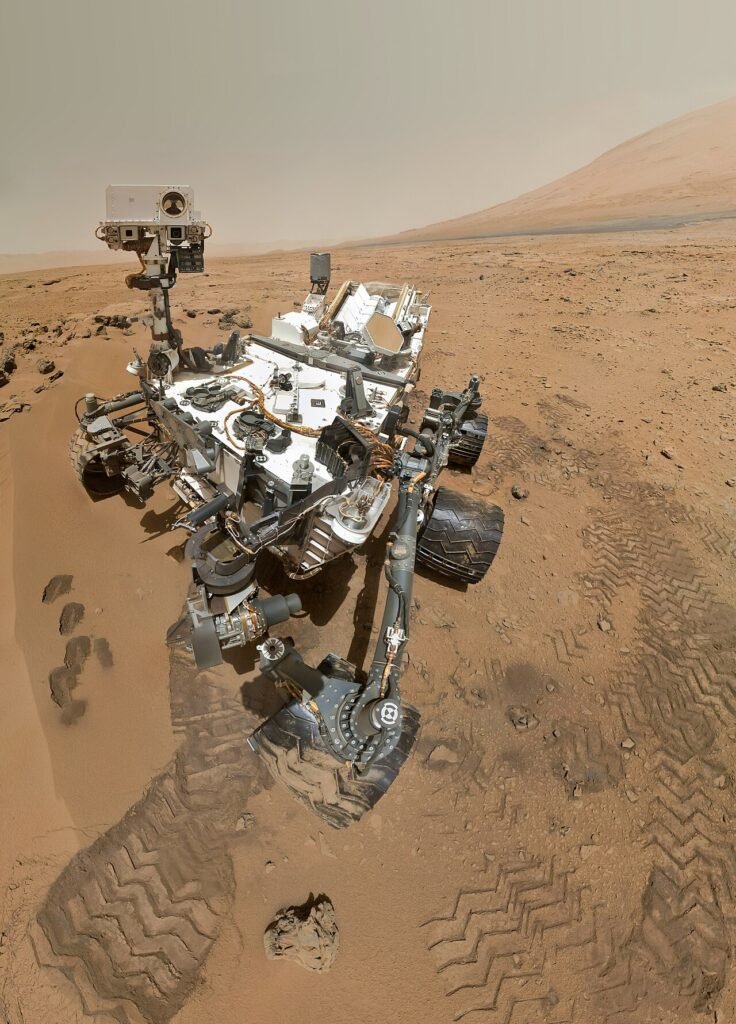
Derivative work including grading, , Public domain, via Wikimedia Commons
Curiosity is a car sized NASA rover that landed in Gale Crater on Mars on 6 August 2012. Early estimates put the mission at about $650 million, but the final cost rose to roughly $2.5 billion.
Curiosity found that ancient Mars had conditions that could have supported microbial life. It is still exploring in 2026. Its successor, Perseverance, landed in 2021 and is collecting rock samples for a possible future return to Earth.
How we ranked these
We ranked missions by the most widely cited total cost from NASA, its Inspector General, the Planetary Society or major news outlets. Where a figure is inflation adjusted or an estimate, the table says so. Costs for different eras are not perfectly comparable, so treat the order as a guide. For other big public projects, see our list of the most expensive buildings ever constructed.
Sources: The Planetary Society: cost of Apollo, The Planetary Society: cost of JWST, NBC News: Shuttle programme cost, Space.com: Artemis cost, NASA: Artemis II return.
Frequently asked questions
What is the most expensive space mission ever?
The Apollo programme is the most expensive space mission ever. It cost $25.8 billion between 1960 and 1973, which is about $257 billion in 2020 dollars according to widely cited inflation adjusted figures. It landed 12 astronauts on the Moon across six missions.
How much did the International Space Station cost?
The International Space Station is estimated to have cost about $150 billion across the US, Russia, Europe, Japan and Canada. NASA spends roughly $3 billion to $4 billion a year to operate it. The station is planned to remain in service until 2030.
How much does the Artemis programme cost?
A 2021 NASA Inspector General audit projected that NASA would spend $93 billion on Artemis from 2012 to the end of fiscal year 2025. It estimated each of the first four SLS and Orion launches at about $4.1 billion. Artemis II flew in April 2026.
How much did the James Webb Space Telescope cost?
NASA’s lifetime cost for the James Webb Space Telescope is about $9.7 billion, including $8.8 billion for development and $861 million for five years of operations. Europe and Canada added their own contributions. Webb launched on 25 December 2021.
Why are space mission costs hard to compare?
Space mission costs are hard to compare because some figures cover only development while others include decades of operations. Older programmes are often quoted in inflation adjusted dollars, and international projects combine spending from several agencies with different accounting methods.
See more Wealthy Garage stories on Google
Add us as a preferred source and our stories will show up more often in your Top Stories.
Add Wealthy Garage as a preferred source on Google